A first-hand account of photographing South Vietnam in 1964.
Warning: This article contains graphic images of war.

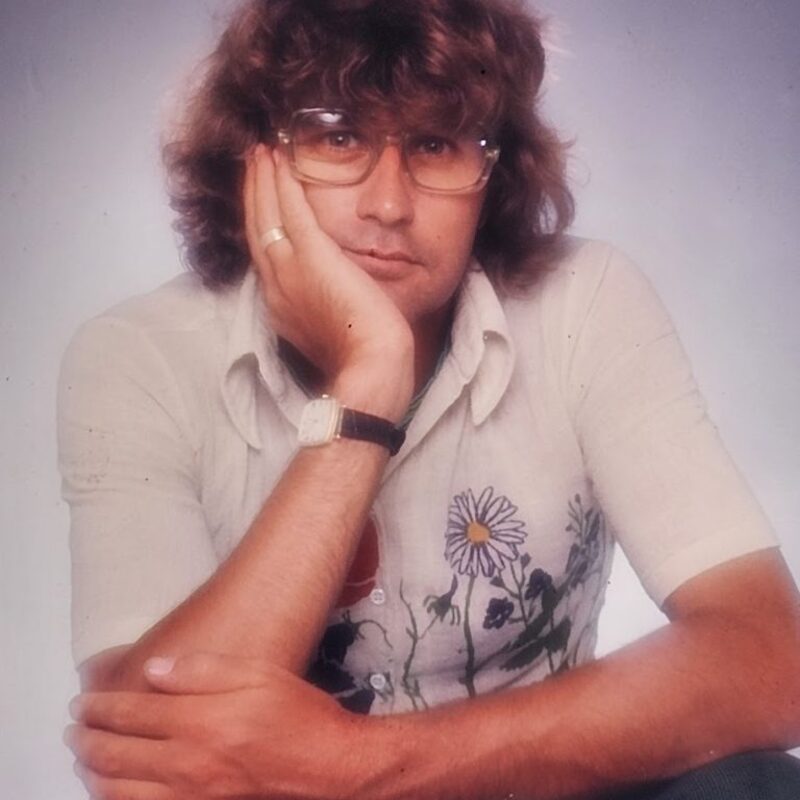
My name is Michael Joseph. The year is 1964, and I am a 23-year-old British photographer sent by a newspaper to capture images of the Vietnam War.
I was not yet the advertising photographer I would later become. But I was ambitious, determined, and ready with my camera.
Three years earlier, I had lost my father. I didn’t know exactly where life would take me, but I knew one thing: I wanted to become a photographer. Not just to make a living with a camera, but to create images that mattered, images that would be remembered.
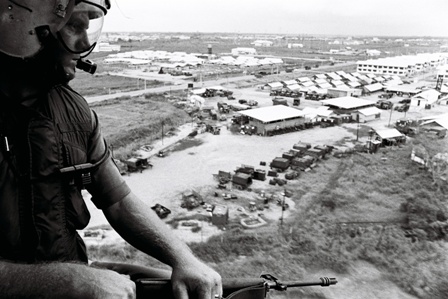
In South Vietnam, everything was moving very fast and at a scale few people in Europe had yet grasped.
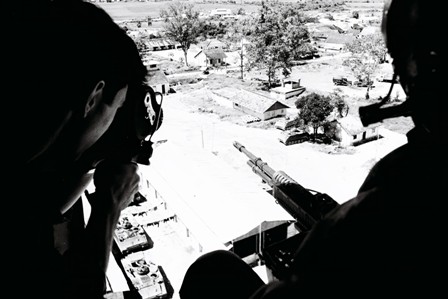
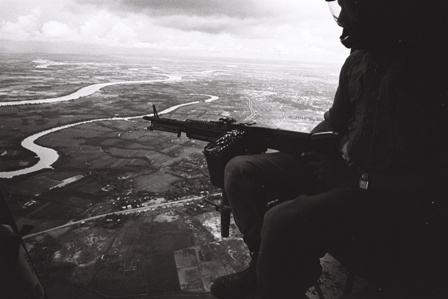
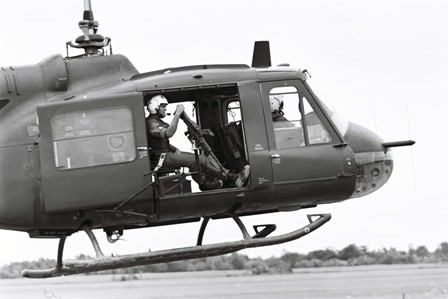
I suddenly found myself aboard American helicopters, flying over open vistas of rice paddies, villages, and rivers that seemed peaceful from the sky but might conceal an invisible conflict.
The helicopter door remained open while the gunners scanned the ground. As for me, I held my nerve, steadied my balance, and continued pressing the shutter.
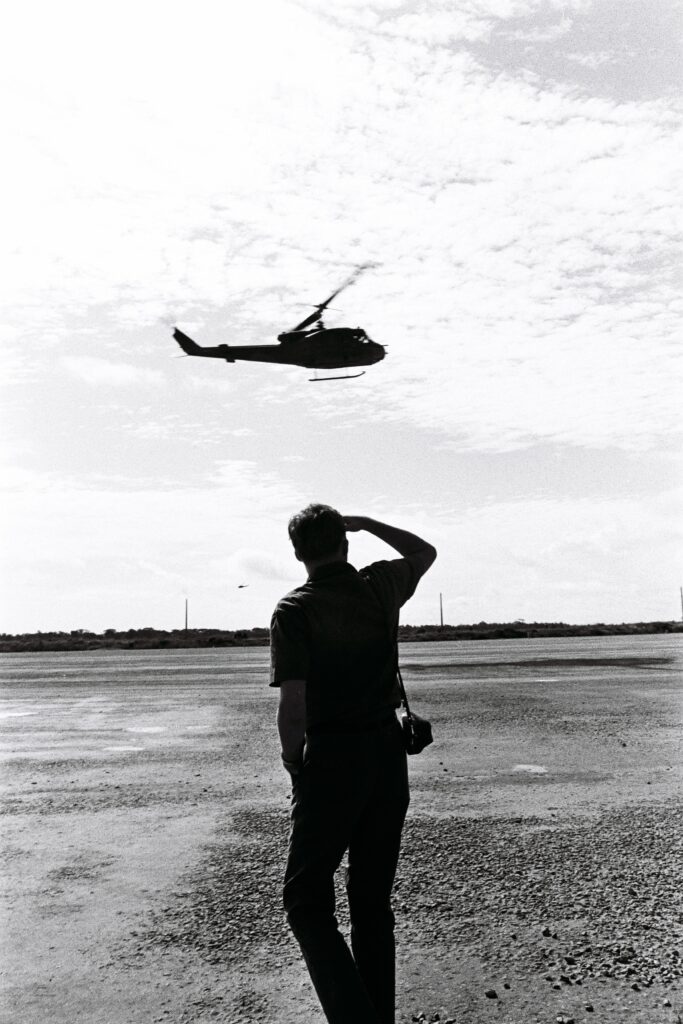
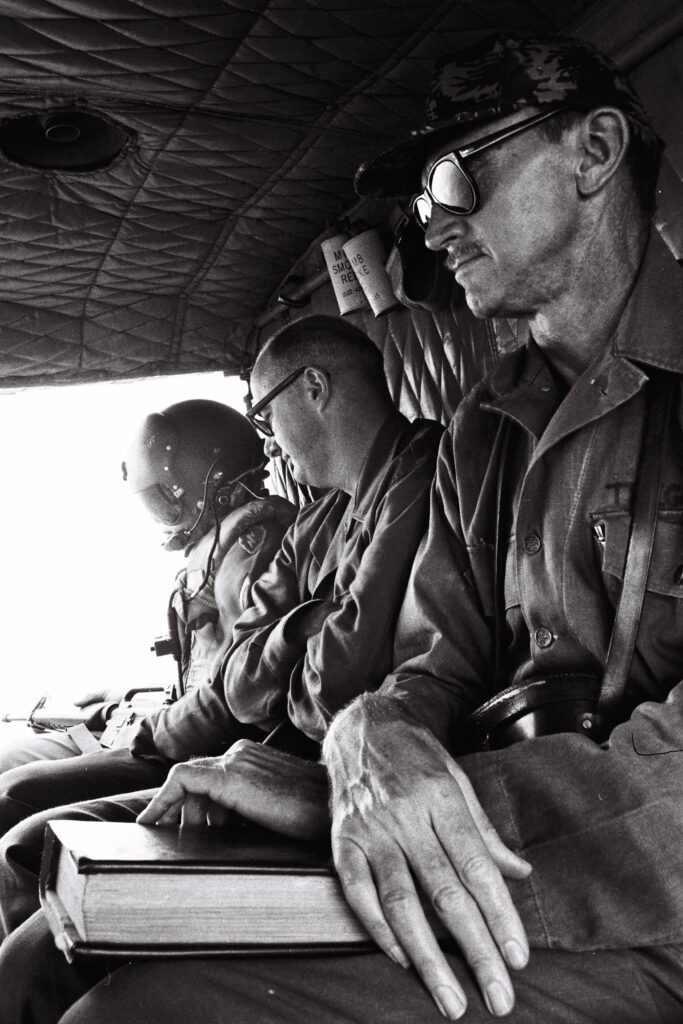
At that time, helicopters had already become the symbol of that war. They carried soldiers, journalists, the wounded, and sometimes the dead. From high above, I observed a country that was both magnificent and torn apart.
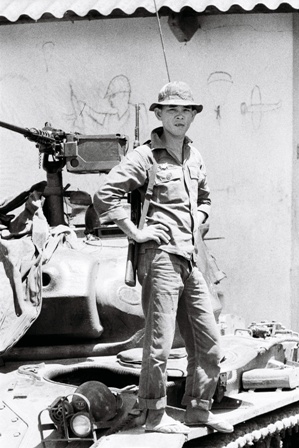
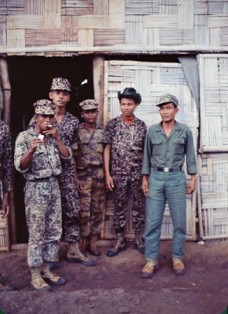
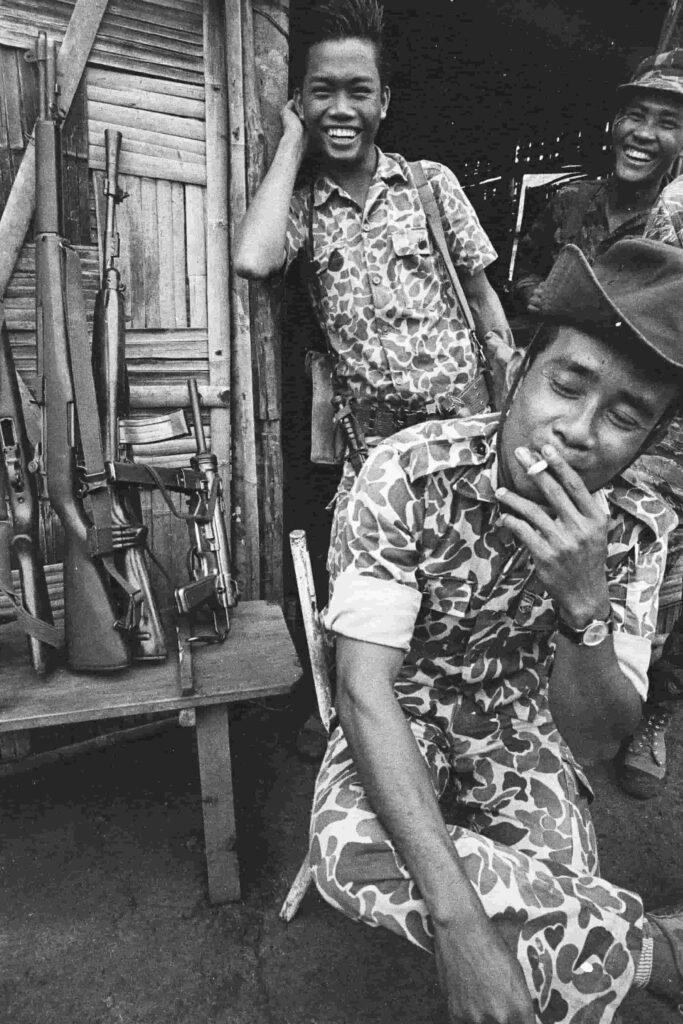
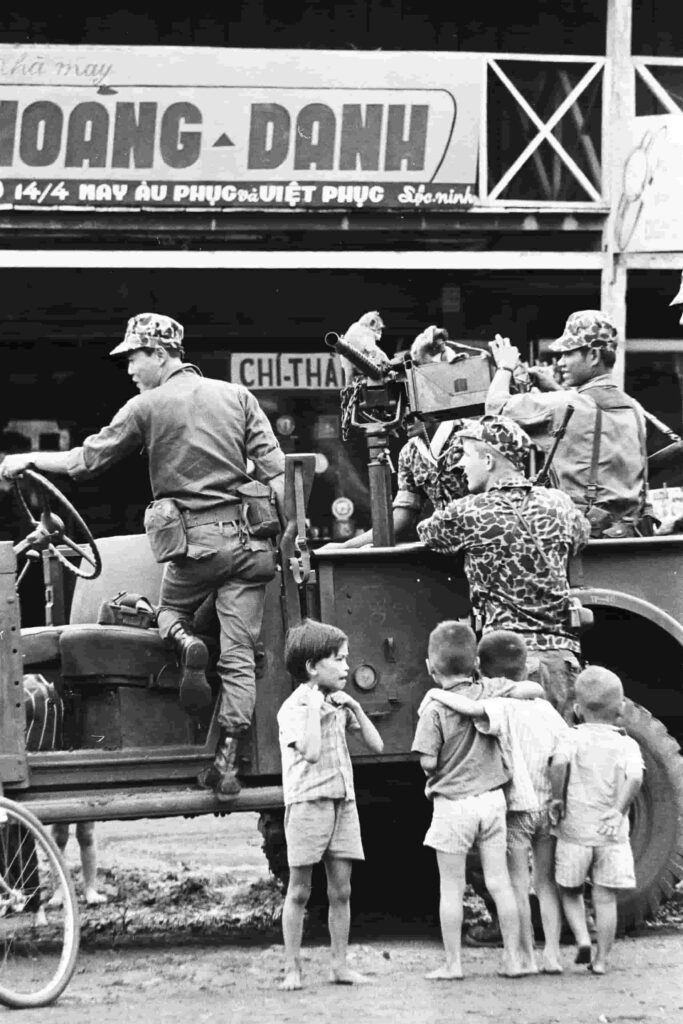
On the ground, I met soldiers barely older than me. Some joked around; others seemed exhausted. Many had that particular look found in those who have lived too long in uncertainty.
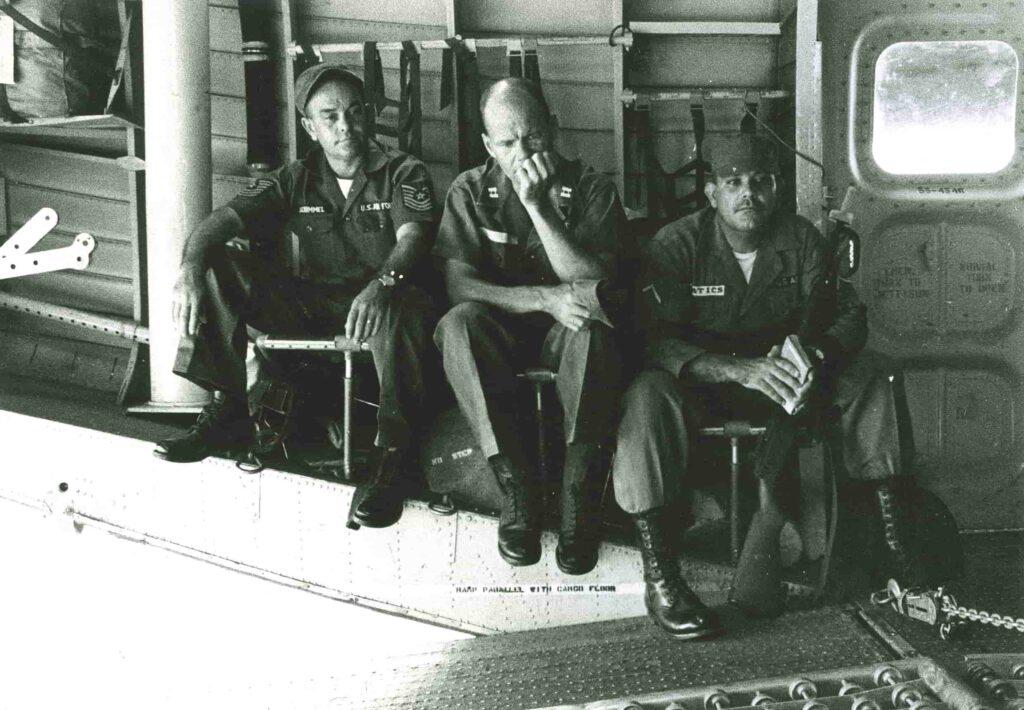
Others were often found with pensive looks upon their faces. Lost in thoughts, perhaps of loved ones or the strategies of the upcoming conflict.
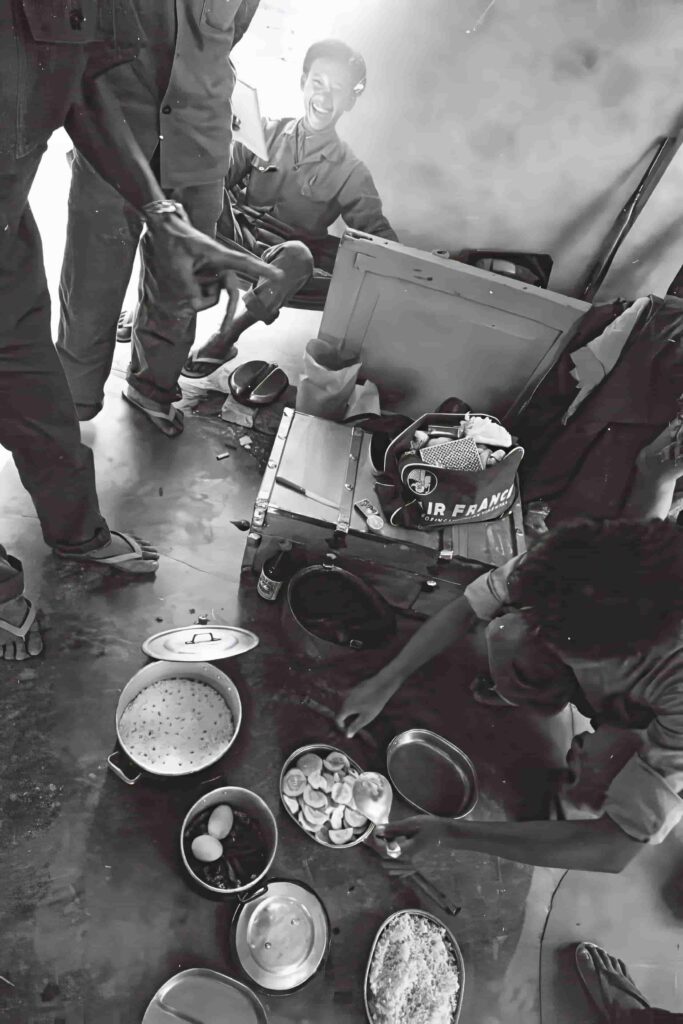
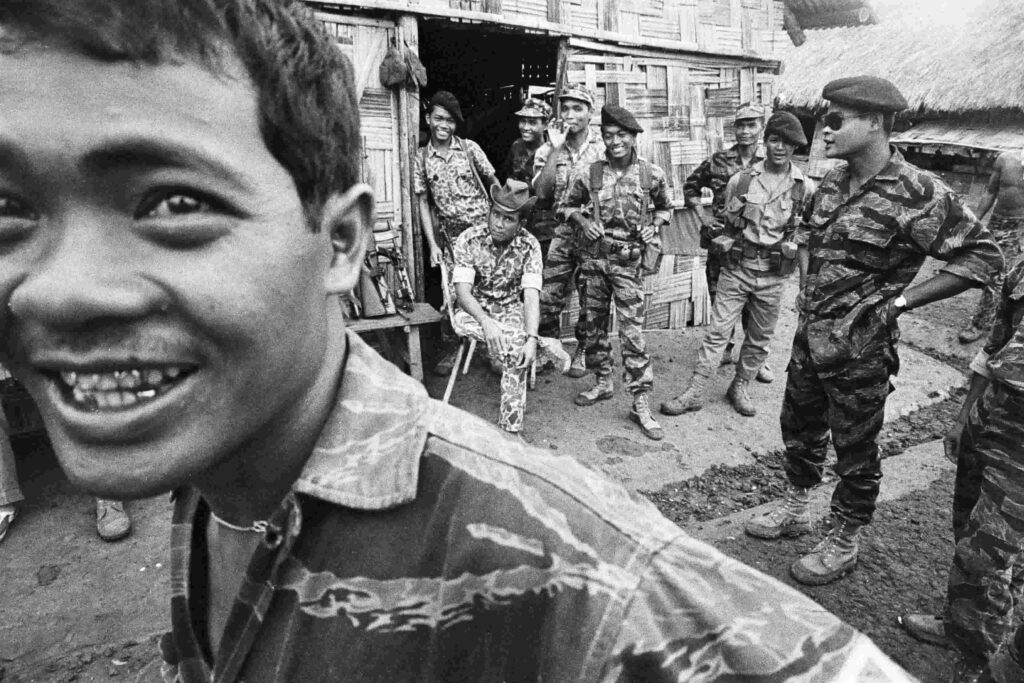
Between operations, they tried to maintain a semblance of normality. We washed up, cooked, laughed, smoked, and waited.
Meanwhile, the war raged on.
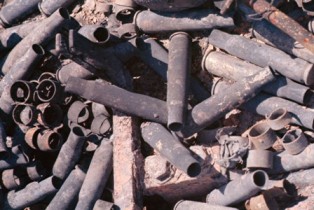
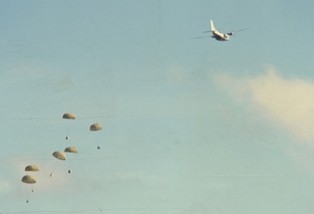
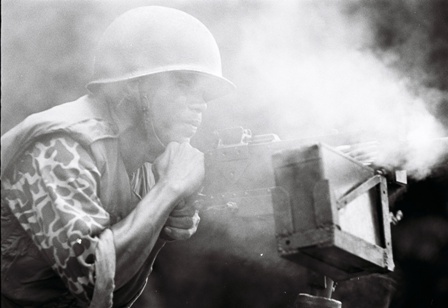
Missiles launched, parachutes dropped, and empty shells piled up.
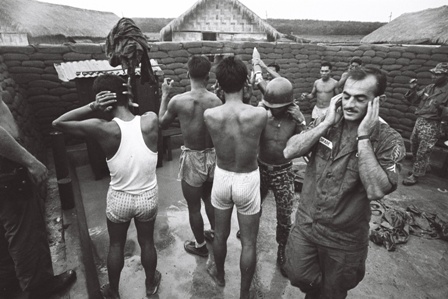
The sound was deafening.
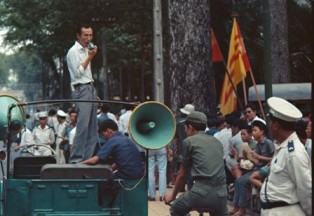
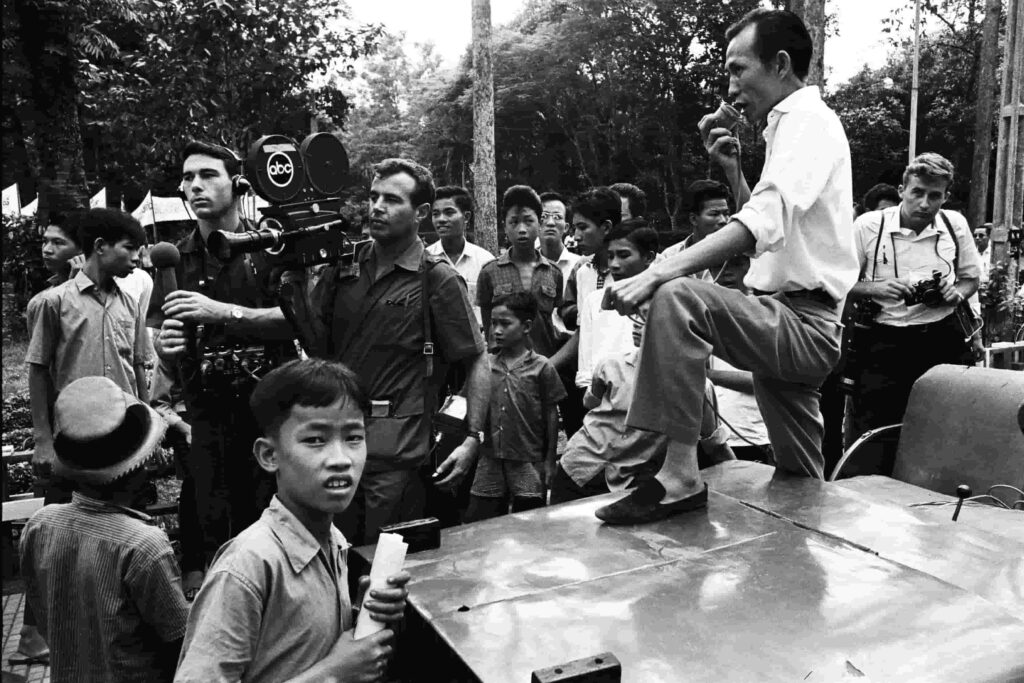
People gathered at rallies intended to raise morale, promote support, or sway opinion.
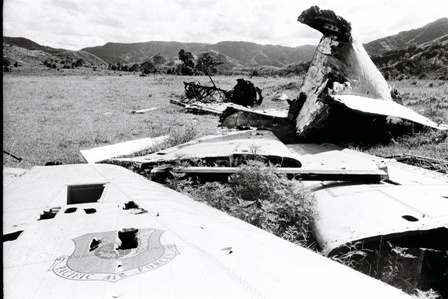
The brutal aftermath of combat is a sight that most do not see.
Some scenes were hard to look at. They still are today, and I don’t like to talk about them.
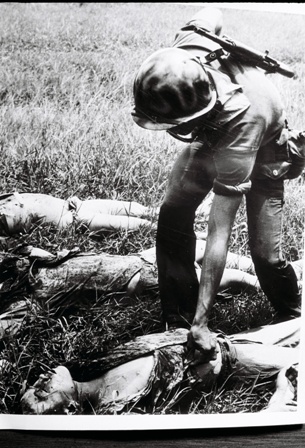
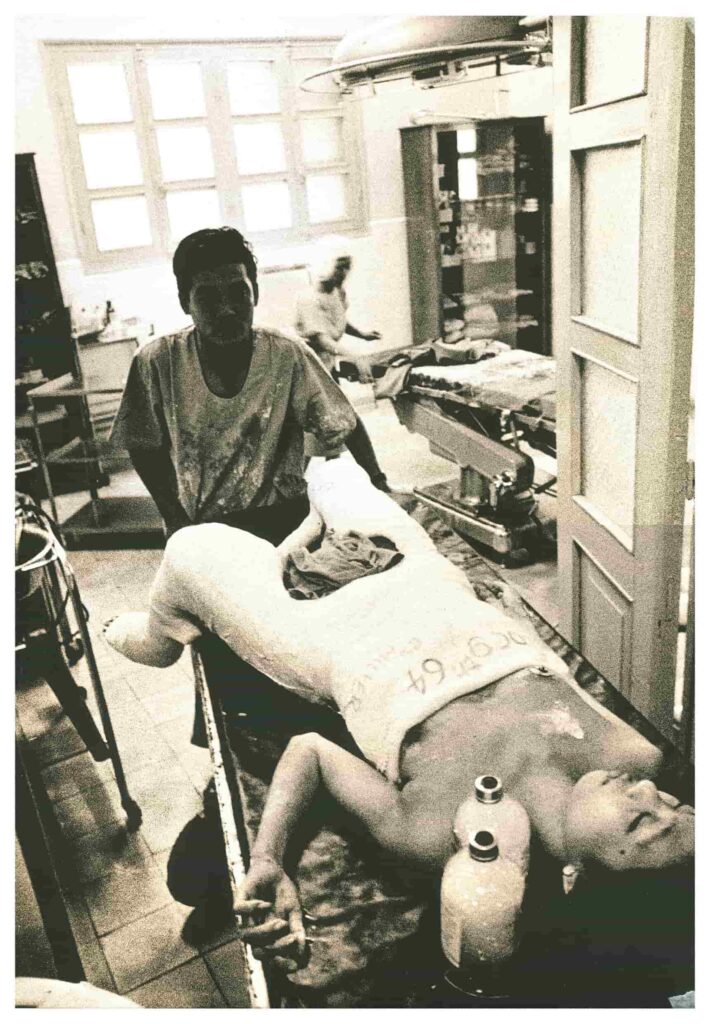
This scene of a young woman shot in the spine was perhaps one of the most harrowing moments. Consigned to wearing a cast for at least six months, her life forever altered by the onslaught of open fire.
But what affected me most wasn’t always what one might expect.
I remember the faces.
The proud gaze of a young fighter posing atop his tank.
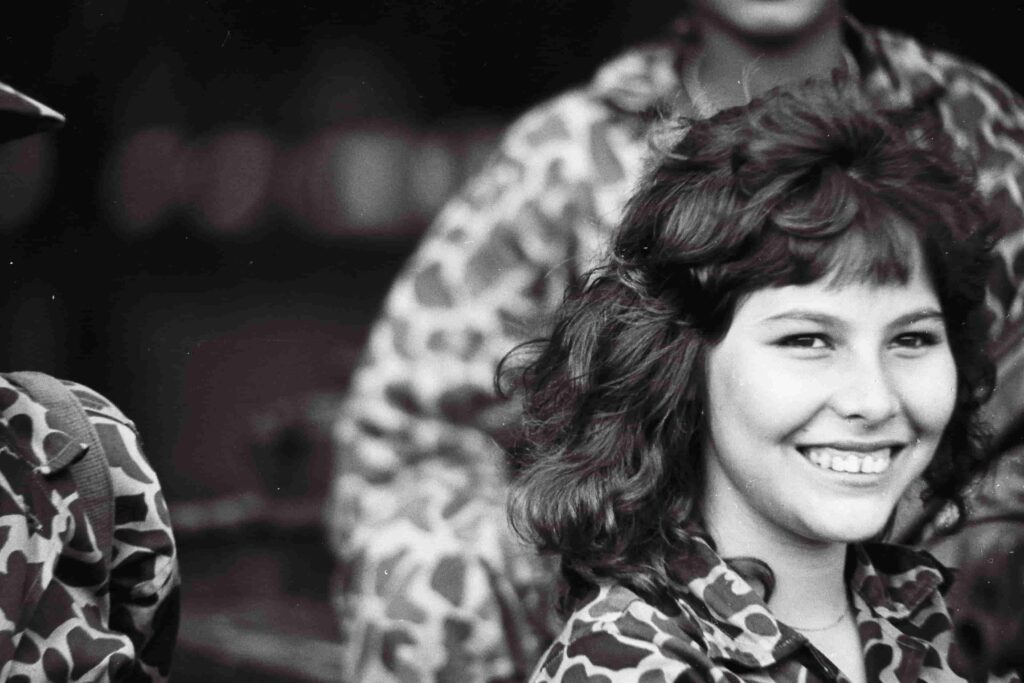
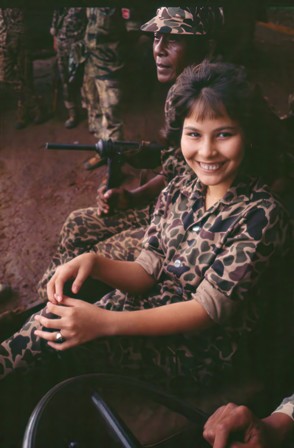
The smile of a young South Vietnamese female soldier.
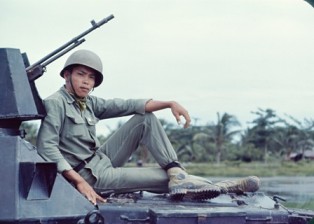
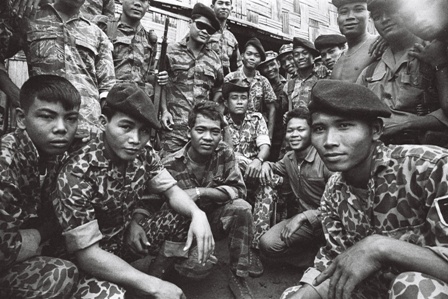
The soldiers who wanted to be photographed together, just like any soccer team or group of friends.
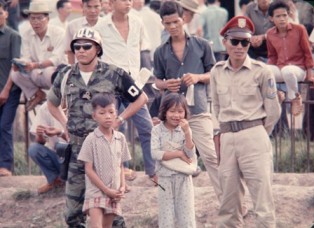
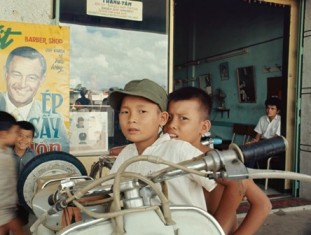
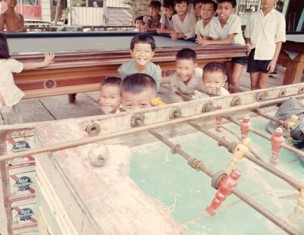
Children posing alongside fighters and on vehicles. They played and found moments to smile despite what was happening around them.
A girl hurries along the road, guiding a bicycle tyre with a stick. At the time, I had no idea this fleeting moment would become one of my most acclaimed photographs, later appearing in The World of Children alongside dozens of my images of children from beyond Vietnam.
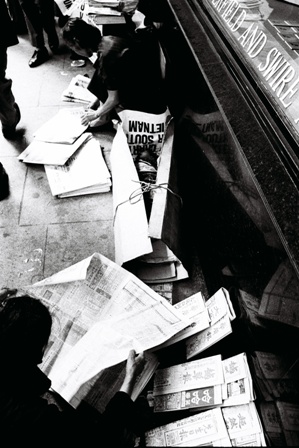
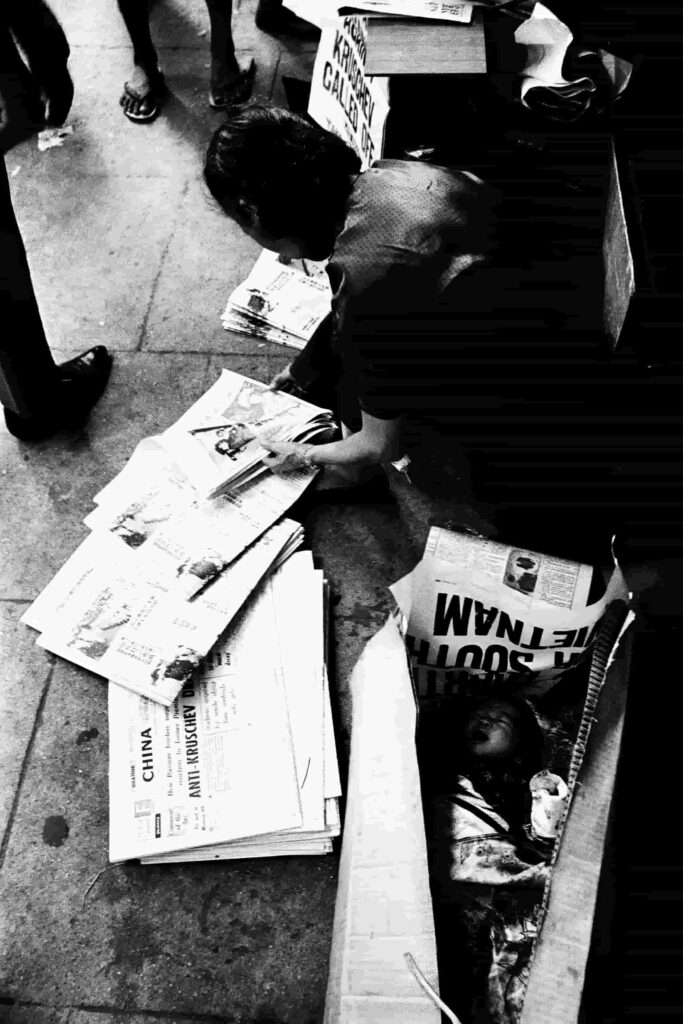
A newspaper vendor in the streets with her baby safely swaddled in copies of the latest headlines.
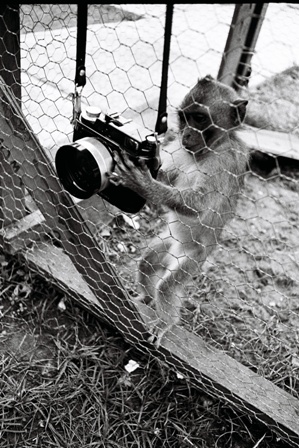
A monkey with similar ambitions to my own.
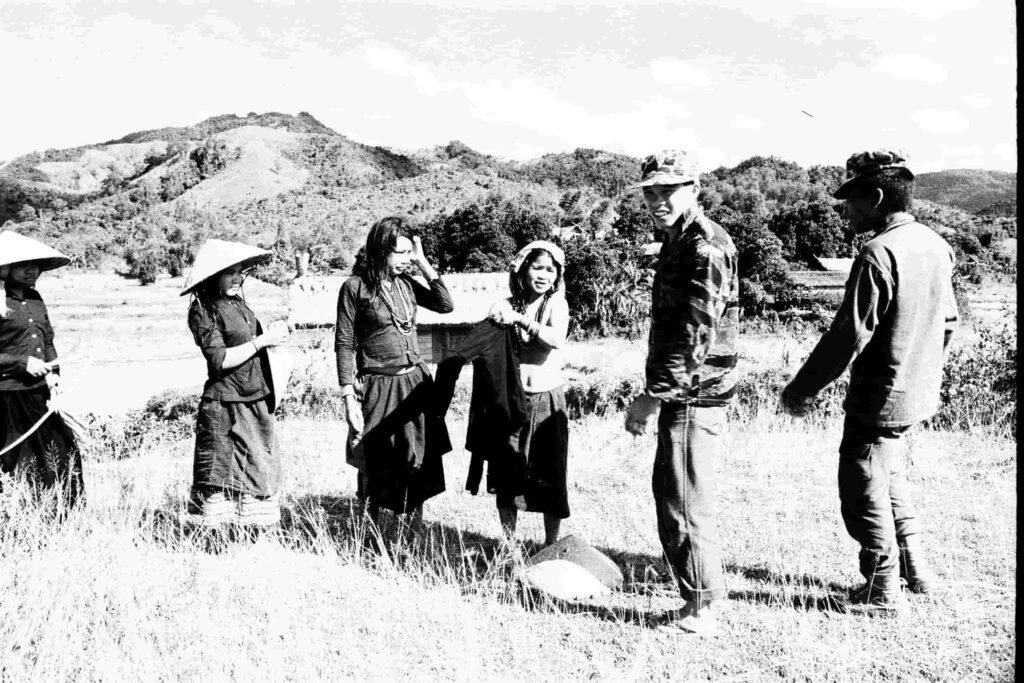
Families going about their lives while history was being made all around them.
And then there were the unexpected moments…
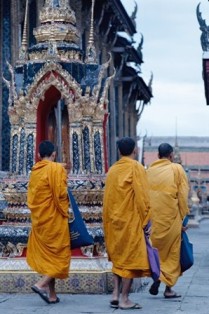
A Buddhist temple where the calm seemed to suspend the war for a few moments.
At twenty-three, I didn’t claim to understand the full complexity of the Vietnam conflict. I was neither a strategist nor a politician.
I was a photographer, and my role was to look, to observe, and to report what I saw.
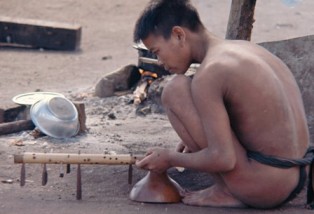
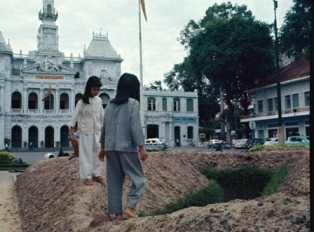
These photographs tell the story of a country at war, before the massive escalation of U.S. involvement.
Beyond the fighting, they capture the moments when life tries to maintain a semblance of normality. They show the camaraderie among soldiers, the resilience of ordinary civilians, and routines that persisted despite uncertainty.
At this moment, I didn’t know where my career would take me. I didn’t know that one day I would photograph the Rolling Stones, shoot international advertising campaigns, or become renowned for my compositions involving hundreds of people gathered in massive staged scenes.
I only knew that I had a camera in front of me, a world to discover, and a calling to tell stories through images.
And that is exactly what I tried to do in Vietnam.