
michael joseph’s Biography
Photographer Michael Joseph
Step into his story and visual world
Michael Joseph is a South African-born photographer based in London and is best known for creating the extraordinary photographs for the Rolling Stones’ 1968 album Beggars Banquet. His career, however, stretches far beyond this iconic collaboration, encompassing reportage, advertising, fashion, portraiture and editorial photography.
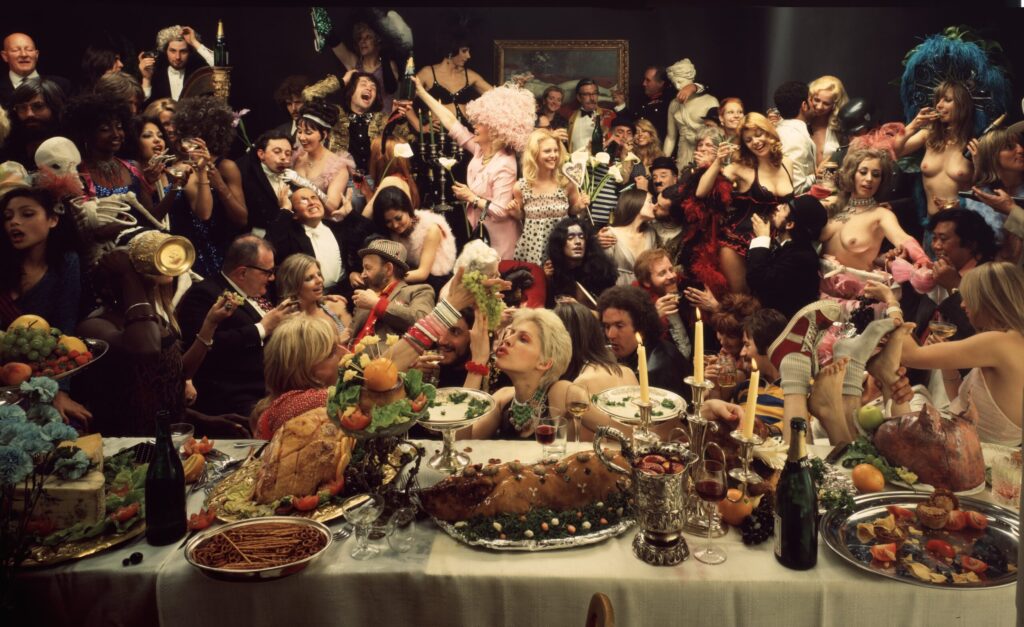
Joseph developed a distinctive visual language built around elaborate staging and meticulously constructed group scenes. His photographs often draw on classical painting, theatre and the grand compositions of artists such as Hieronymus Bosch and Pieter Bruegel—two of the artists he has cited among his influences, alongside photographers Bill Brandt and Lord Snowdon.
His ability to create complex, narrative images made him a distinctive figure in British advertising and editorial photography from the 1960s onwards.
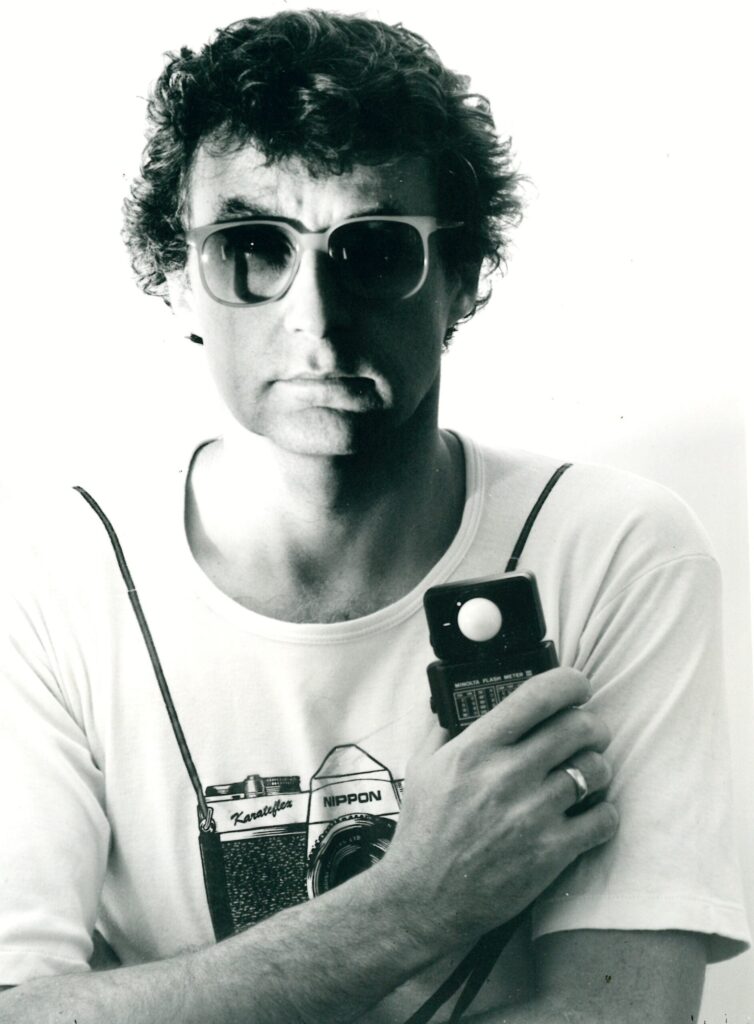
Michael Joseph: Biography
From South Africa to London
Michael Joseph was born in 1941 in Kimberley, the capital of the Northern Cape province in South Africa.
He grew up in an environment deeply shaped by political commitment: his father was strongly involved in anti-apartheid activities, particularly in fundraising and initiatives supporting movements opposed to the regime.
This close proximity to activist circles exposed Michael at an early age to the political and social realities of his time. This period helped shape his critical perspective and his interest in social documentary photography.
In the early 1960s, he left South Africa to settle in the United Kingdom. In London, he began studying at the London College of Printing and Graphic Arts. This education provided the technical and artistic foundation for his future career as a photographer.
Michael Joseph and War Photography
Witness to the Vietnam War
During his studies in London in the 1960s, Michael Joseph had a defining experience: he was sent to Vietnam to photograph the war.
Working in the conditions of a conflict zone was a formative experience. His photographs from Vietnam demonstrated an ability to work quickly and instinctively while documenting real people and events—a markedly different discipline from the meticulously controlled compositions that would later become a hallmark of his advertising work.
On his return to London, the images helped attract attention to the young photographer and opened the door to commercial assignments.
Joseph subsequently established himself within London’s advertising and editorial photography scene, working for publications including Town and Queen. His career increasingly moved towards advertising, fashion and large-scale constructed photography.
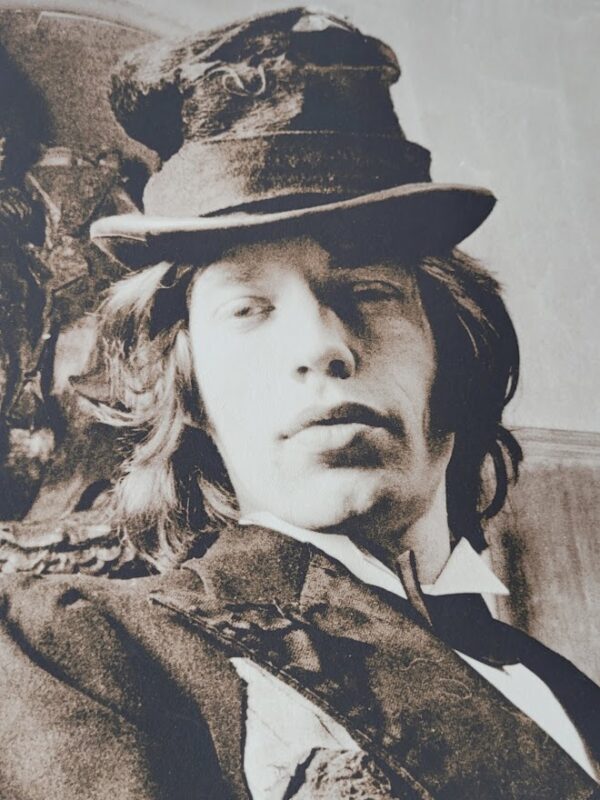
The Rolling Stones
Michael Joseph and Beggars’ Banquet
In 1968, Michael Joseph was chosen to photograph the Rolling Stones for the release of their new album Beggars Banquet.
This choice was partly due to his already strong reputation in London. At the time, Michael Joseph was considered one of the few photographers capable of managing the complex logistics involved in working with animals on set while orchestrating large-scale scenes.
To convince the band, he showed them a carefully staged office photograph that demonstrated his approach to composition. The image immediately appealed to Mick Jagger, who decided to collaborate with him.
The photographs were created during two days of shooting in June 1968. One session took place at Sarum Chase in Hampstead, the former home and studio of Victorian artist Frank O. Salisbury. Another took the Stones to Swarkestone Hall Pavilion in Derbyshire.
For the indoor shoot, Joseph constructed a spectacular banquet scene around the five members of the Rolling Stones.
Food, costumes, props and animals transformed the setting into something somewhere between an aristocratic feast and chaos. The resulting composition reflects the influence of painters such as Bosch and Bruegel and serves as a prime example of Michael’s elaborate approach to group photography.
Decades later, the photographs remain as Joseph’s most widely recognised work. In 2019, Michael told the story behind the shoot for The Guardian’s “My Best Shot” series.
The Legacy Preserved
How These Iconic Photo Sessions Live On
Michael’s Beggars’ Banquet images enjoyed a resurgence of popularity throughout the decades.
The 7 June Sarum Chase session is documented in Mark Hayward and Mike Evans’ book The Rolling Stones: On Camera, Off Guard 1963–69.
The images were also featured in exhibitions, including Beatles to Bowie: the 60s exposed, and Beggars Banquet: Photographs by Michael Joseph, Proud Galleries, London, 2017.
Two Rolling Stones portraits by Michael Joseph are held in the permanent collection of the National Portrait Gallery in London, including a colour group portrait of the band and a second black and white photograph from the series.
Another version of the group shot titled “Stones into Camera” remains at Iconic Images Gallery, London. Prints of the shoot are also for sale via Iconic Images.
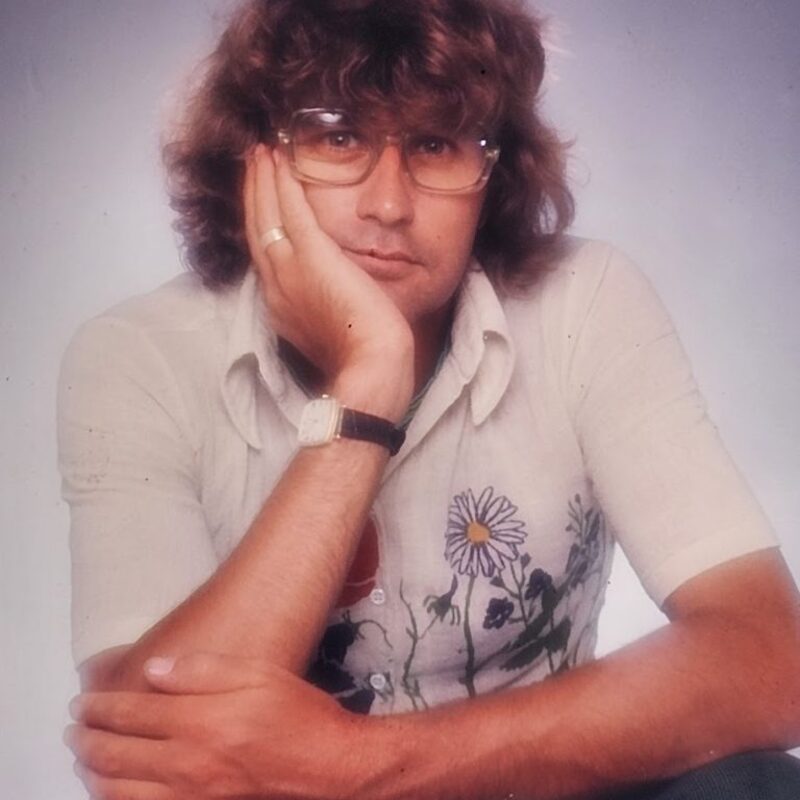
Advertising and editorial photography
Beyond the Rolling Stones, Joseph built a long career in advertising, fashion and editorial photography, particularly from the 1960s through to the early 1990s.
He photographed campaigns for major international brands including Smirnoff, Nivea, White Horse Whiskey, Schweppes and Ford, alongside countless other commercial commissions.
One of his specialities was the large-scale group photograph. Joseph became known for extraordinarily detailed scenes containing dozens—and sometimes as many as 100—individually arranged characters.
A particularly striking example was a 1971 campaign for Fernet-Branca. The elaborate crowd photographs subsequently found an unexpected second life in music.
Years later, BBE Records used Joseph’s photographs for a series of releases:
- Funk Spectrum (1999)
- Funk Spectrum Vol. 3 (2000)
- The Kings of Funk: RZA & Keb Darge (2005)
- The Kings of House: Masters at Work (2005)
The story behind the Fernet-Branca campaign and its later use by BBE Records is explored in Paul Gorman’s feature on Michael Joseph’s photography.
Alongside these constructed commercial images, Joseph continued to produce portraits and documentary work, creating a huge body of photography and an extensive archive.
Michael Joseph Books and publications
Joseph’s photography has also appeared in a number of books.
He co-authored The Complete Photography Course with Dave Saunders. Originally published by Weidenfeld & Nicolson in 1993, the book uses hundreds of photographs to explore photographic technique and visual approaches. It received an independent review from Publishers Weekly.
His work also appears in Dave Saunders’ 1996 book Sex in Advertising and Philippe Ariès’ The World of Children (1966).
Joseph’s Rolling Stones photography was subsequently included in the National Portrait Gallery publication A Portrait of Britain (2014), where it appears on page 233. The National Portrait Gallery’s collection record links the photograph directly to the publication.
Michael Joseph then contributed to an illustrated edition of The Hitchhiker’s Guide to the Galaxy, for which he provided the cover image. This contribution reflects the recognition of his style among a broader cultural audience.